
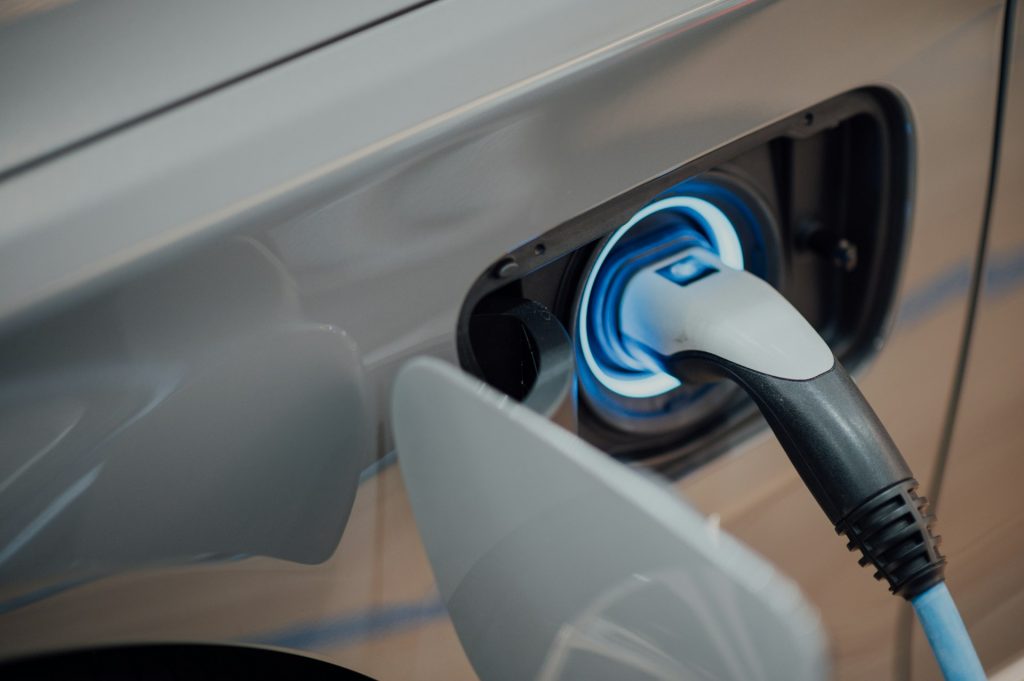
Electric vehicles are becoming mainstream, and a Level 2 home charger is the most convenient way to keep your car ready every morning. Before you buy a charger and run cable, there are important electrical and planning steps to consider.
Check Your Panel Capacity
Most Level 2 chargers draw 30–50 amps on a dedicated 240-volt circuit. Your existing panel must have enough spare capacity, or you may need a panel upgrade or load-management device. A licensed electrician performs a load calculation before installation.
Choose the Right Location
Garages are ideal, but outdoor-rated installations are possible with proper conduit and weatherproof equipment. Cable length, charger mounting height, and vehicle parking position all affect installation cost and convenience.
Permits and Code Compliance
EV charger installations typically require permits and inspection. Code covers wire gauge, breaker sizing, GFCI protection where required, and grounding. DIY installs that skip permits can void insurance and create safety hazards.
Incentives and Rebates
Utility companies and government programs sometimes offer rebates for EV charger installation. Power Pilot USA can advise on equipment that qualifies and handle the electrical work start to finish. Contact us for a free installation quote.